
How we went from cave ochre to pixels
Books allowed the knowledge to spread, it was suddenly accessible to everyone and didn´t belong to the elites anymore. And the ink was a vehicle for that knowledge. It became a symbol of intellect. That magical elixir that turns mere words into living stories, bridging the gap between imagination and reality.

As you might know from my previous articles, our ancestors started writing on clay tablets with a stick. Soon after, experimentation led them to discover the magic behind mixing binders and pigments. Everything found in nature is the basis for most of the things we use. And the ink is no exception to that.
The drawings found in caves worldwide show that our ancestors from prehistoric times utilized stones and minerals to make them. Utensils like shells were most probably used to hold the pigment’s raw materials like ochre or charcoal, and another stone to grind them. To paint: bones, sticks, and probably their fingers.


The ink “recipes” are as diverse as civilizations worldwide. As I always say, it´s very hard to know where something as antique as ink originated. Most likely, a lot of prehistoric tribes were trying to find better ways to express themselves and spread knowledge. What is known, is that to make ink two basic ingredients were needed: A binder agent and some sort of pigment.
The binder agent could be something like Gum Arabic or any other vegetable oil or paste produced from plants or animals. The pigments were extracted from the ashes left by the fires, from soot, carbon, and other earth minerals.
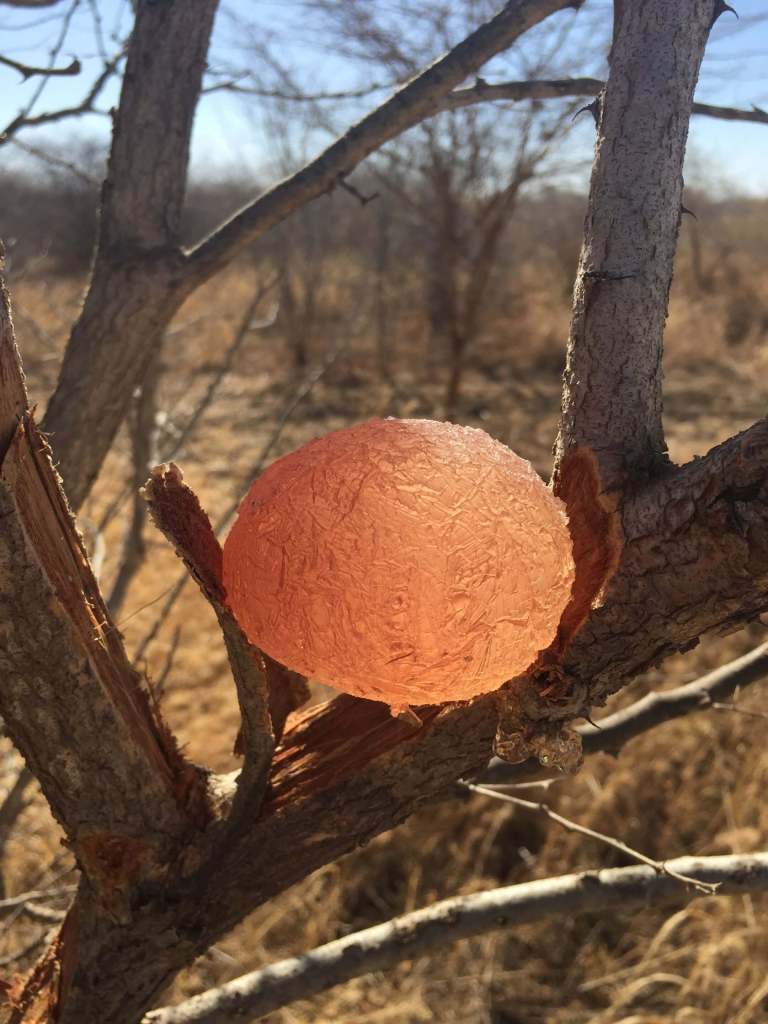
Gum Arabic
Gum Arabic is a natural gum exuded by different trees. It´s a very thick substance that can act like a natural binder, holding different materials together, due to its viscosity. It´s used in the printing, photography, painting, food, pyrotechnics, and cosmetic industries.
Studies of Egyptian art demonstrate that their ink was made mostly from soot and ochre, mixed with Arabic Gum or animal glue. In China water-based inks were more common, derivates from burning pine resins or lampblack mixed with water.
In the 15th century in Europe, the ink made for printing books on the printing press was insoluble and oil-based. Made from the soot of lamps (lampblack) and egg white. Lampblack was a very common ingredient for inks before, it is the black soot residue left on oil lamps and scratched into a powder. Some artisans still use this method to produce high-quality ink, especially in Asia.
Digital Printing
With the appearance of commercial printing methods, ink development also had its changes. Nowadays, ink is made out of many materials, some natural, most chemical. But the basic principle is that ink consists of 4 ingredients:
- The pigment: gives color to the ink and its characteristics determine the transparency, saturation, or brightness of the color.
- The vehicle: this is where the pigment lies, it can be water or oil-based. It is responsible of the fixation on the paper or other material
- The substrate: it gives the ink properties like emulsifying capacity, aka, the pigment adhering to the water or oil solution
- The modifiers: these can change the transparency, decoloration, drying fastness, or scratch resistance.
This formula is used in digital printing or offset printing, also known as lithography.
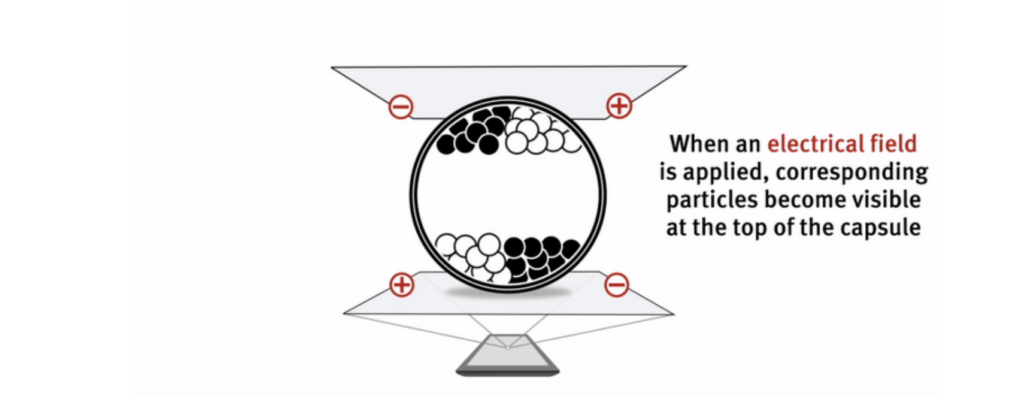
But the human ingenuity didn´t stop there. Have you ever read on a digital reader like the Kindle? The ink in these devices is made out of black electronic particles that can be positively or negatively charged. Depending on the electric field (negative or positive) that is applied to the reader, the particles will move to the surface, appearing black on the screen, creating clear words and images for the reader to see.
I am still old-fashioned and prefer paper books to digital books, but this doesn’t stop me from marveling at the non-limits of technology and ideas. This liquid holds a universe of possibilities: write novels, recipes, love or condolence letters, treaties, and more.
Thanks again for reading, I hope you enjoyed it.
Don’t forget to read and maybe write!
My Week on Senses
👂Just discovered Sunny & The Sunliners. Listen to them on bandcamp 🙂
👀 Reading this book about herbal medicine. The Herbal Medicine-Maker’s Handbook: A Home Manual by James Green and Ajana Green
👅 Tried this recipe for easter! “Mini Carrot Peppers”
👐 Getting my nails dirty with my vegetables garden! The salad is growing like c-r-a-z-y!
👃 Corn ❤ I love corn based dishes and the fact that in Colombia people use corn as base for many recipes!

Again, thank you so so much for reading and your support.
🌟Recommend and subscribe to the newsletter! 🌟 I write weekly about art, creativity, and processes.

 Tina Ovalle
Leave a reply to Klausbernd Cancel reply