
The smell of a book and why we love it
Do you savor the aroma of books? That sensation of flipping through pages, inhaling that fresh smell that anticipates a trip to the unknown with high expectations. The rustle of the fingers turning the pages, the tally of pages increasing as the story progresses or decreasing when you don´t seem to advance, the modest triumph of completing reading a book that fills one with pride.
This enchanting ritual of reading. The tranquility that ensues after immersing oneself in a book. Don´t you also love it?
I firmly believe that the connection between our senses and natural materials like wood and leaves, or their derivatives such as paper, profoundly affects our psyche. Dining at a wooden table evokes a different ambiance compared to the same meal served on glass or metal. Perhaps it’s our minds conjuring these sensations, inspired by the poetry of nature.
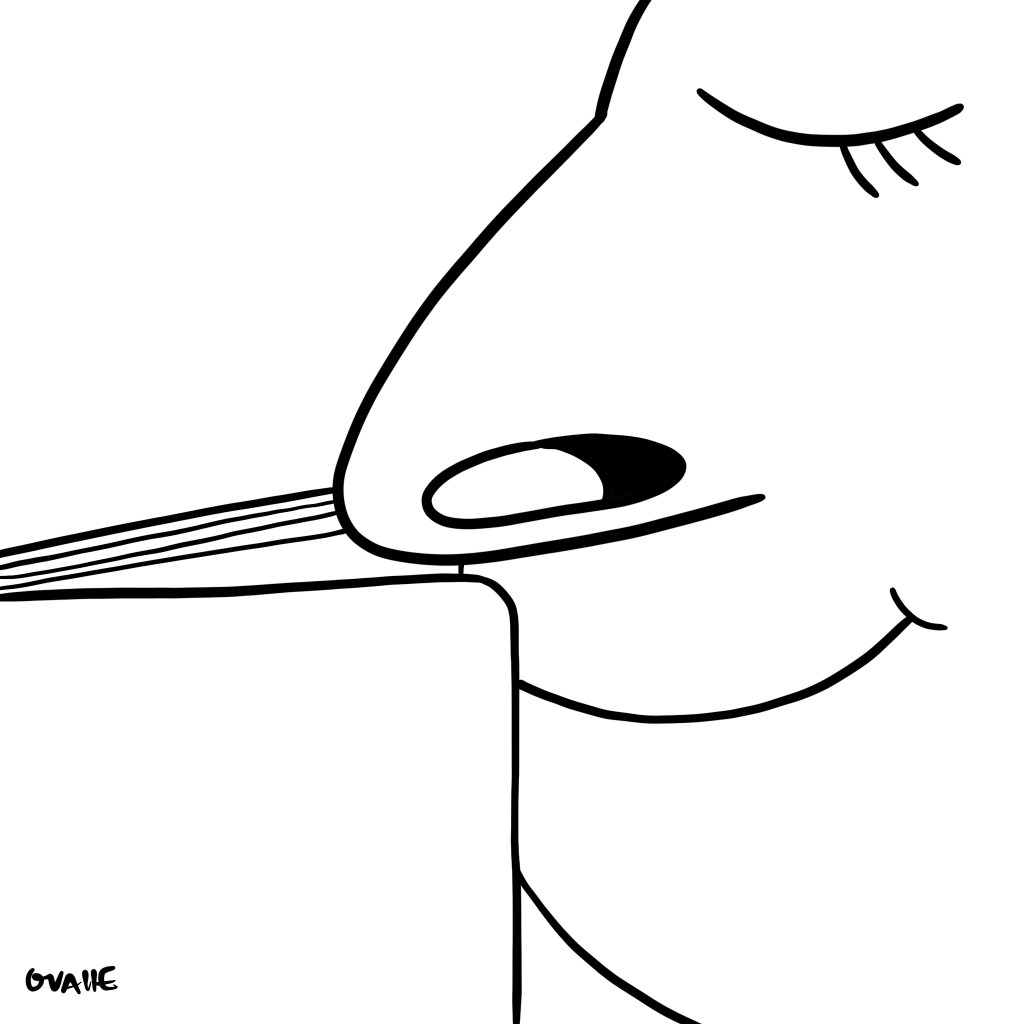
Yet books were not always fashioned from paper. In ancient times, books were first crafted from clay and stone tablets, as I previously explored in this article on various book formats. Later on, materials like plants and skin were ingeniously treated to create paper. Nowadays, we take these processes for granted, considering them part of our everyday lives. But let’s rewind a bit further, as you likely know I enjoy doing.
Numerous antique civilizations developed their own paper equivalents. Perhaps desiring to write on a lighter surface than those heavy clay tablets or those annoying rolls of paper that did not allow quick and easy access to a particular piece of the writing, creatives, and innovators were forced to look for better alternatives.
Nature may have served as a muse for new writing surface ideas, like paper sheets! For instance, paper wasps create a paper-like nest with a pulp they create by chewing wood and mixing it with their saliva.
Something similar was done in ancient Egypt, without the saliba tho. You might have heard about the paper Papyrus. It was developed by the Egyptians and made out of the stems of the Papyrus plant, which grew along the Nile River.
While the plant’s outer layer was used for durable items like sandals, baskets, and even boats, the inner portion of the plant was much more soft and easy to work with and create paper. The process involved no chemicals or glues, contributing to the longevity of Egyptian art and writings preserved in museums today. Papyrus paper, if well maintained, can endure for millennia.
To make papyrus paper:
- Remove the outer green part of the plant and cut the inner part into long, flat strips
- Press the strips with a hammer or a roll to remove all the water, making it stronger.
- The pieces are sunken into water for 1 week, to lower the sugar content, facilitating adhesion.
- Interweave the strips horizontally and vertically on a fabric surface to form a sheet.
- Cover the woven sheet with another piece of fabric and leave it under heavy stones for another week to dry. As a result, you would have a beautiful sheet of papyrus paper.

Another antique surface was parchment. Made out of the skin of goats, and sheep. Some gossips say that even the skin of kids was used.
The making process of the parchment was more complex and time consuming. The result was a translucent, thin, and soft surface, tthat allowed light to pass through delicately. Not like papyrus which was thick and rough-surfaced.
I won´t go too much into detail, but basically, the animal skin was de-greased with lime and water and the hairs were removed. After that, the skin was straightened with a wooden frame. The artisan would then start scraping the skin with a knife to remove any residue of hair or irregularities from the skin. The straightened skin was left to dry and this process of straightening, scraping, and drying was repeated several times until a thin sheet of paper was achieved.
Vellum was another type of paper. It had a very similar process to the parchment, but it was mostly made out of calfskin.
Because of its durability and delicate surface, Vellum and Parchment were the preference for many noble books and documents. Like the illuminated manuscripts and different royal treaties throughout history.
It is impossible to know when and where exactly paper was originated. The Egyptians and the Romans certainly pioneered many objects still in use today. For more modern paper iterations, the rumors point out to Asia. Precisely to the inventor Cai Lun from China. In 105 A.D. who successfully created paper made out of fabric clothes. The process quickly infiltrated Japan and Korea and soon arrived on the other continents. Aren´t those old times when the biggest kept secret was the discovery of paper and not a nuclear bomb, beautiful?
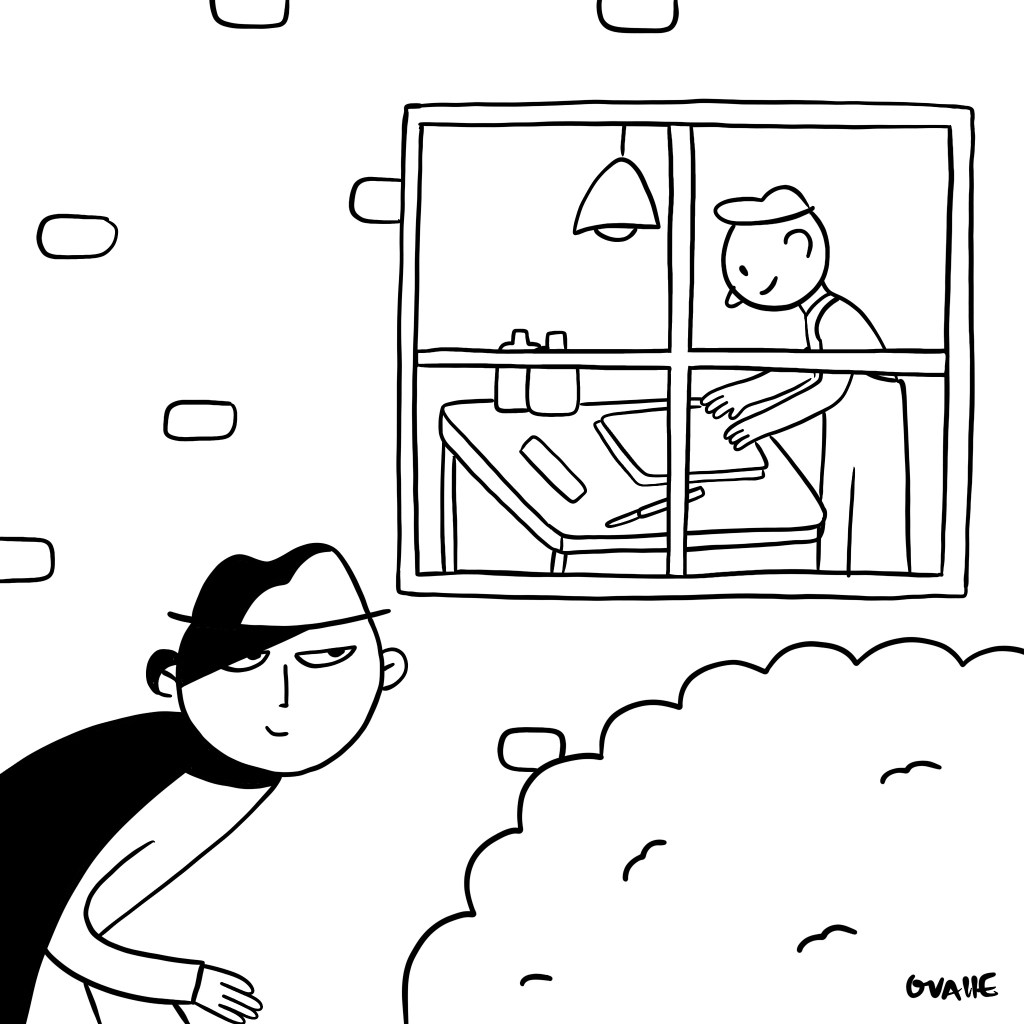
It wasn´t until book printing appeared that the paper-making process was improved in speed and cost-effectiveness. Nowadays, paper is primarily derived from trees like spruce, pine, or birch. The wood is mixed with different chemicals to produce the cellulose, this is a much quicker process than letting the wood fiber dry for weeks. Then, the cellulose is treated to remove its thickness and inflexibility. Additives like chalk or dyes may be incorporated for color variation. Finally, the mix is spread, dried, and packed into rolls. Paper varies in quality, roughness, and weight.
If you´ve ever seen the letters GSM or a number on top of the ream of paper or behind the notebooks, this is referring to the “grams per square meter”. Common weights include:

Maybe the smell of books derives from the fascinating journey of its materials. Perhaps it descends from the symbiosis between those tiny ink figures we called letters and the sheets of paper, together birthing captivating stories, memoirs, and a world of knowledge, hosting entire universes. Next time you delve into a book you might ponder on that.
Some funky book materials I´ve found doing this research:
- A book made out of glass by artist Olafur Eliasson. The pages made out of glass in different colors and opacities, create intrinsic reflections inside the room when the reader turns the pages.
- Paper made out of Elephant poop.
- There is an edible book festival that happens yearly worldwide. Here is an archive of the edible books made by the participants. This reminded me of the book “20 Slices of American Cheese” by Ben Denzer, made out of real cheese.
- “The Oracle; Book of Fate”, an oracle made on a fan.

My Week on Senses
👂 Get Sleepy podcast. Stories for adults, with very sweet and calm voices to fall asleep to.
👀 These watercolors from Herman Hesse. I love the simple technique, unpretentious.
👅 Have you ever tried popcorn with lemon? honey or BBQ sauce? If not, you should give it a try! Me and my siblings are experts in combining food that normally doesn´t go together. My brother also eats popcorn with Maggie seasoning cubes, not my song, but who am I to judge?
👐 Some tapping exercises to get rid of toxins
👃 The basil I am plating is growing like crazy. I love to visit him every morning and press some leaves to impregnate my fingers with its scent.

Again, thank you so so much for reading and your support.
Coming Up Next
- Next, the last entry on books: Ink!
🌟Recommend and subscribe to the newsletter! 🌟 I write weekly about art, creativity, and processes.

 Tina Ovalle
Leave a comment