

Drowned in a sea of options
When I was doing research in the library to check which format would be the best for my book, I encountered many book sizes and formats. There were small and big books, but every with a slight variation, square and landscape books, the genre didn´t seem to have an influence.… Drowned in the sea of options, I decided to do a bit of research on it for me to make the best decision.
Let´s go back a bit in time to understand all those book sizes and formats.
The written form started in Mesopotamia when people started to track their resources of food and products in clay tablets with sticks they found and used as tools. It was mainly for commercial use.
But quickly, it became a form to alleviate the human fears of being forgotten or leaving this world without any legacy. These writings were now used to pass knowledge in the form of epic stories, declare laws, conserve philosophies, remember achievements, and spread religion. Surfaces went from clay to stone and skin for durability, the Romans used wax because it allowed them to erase and change their texts.
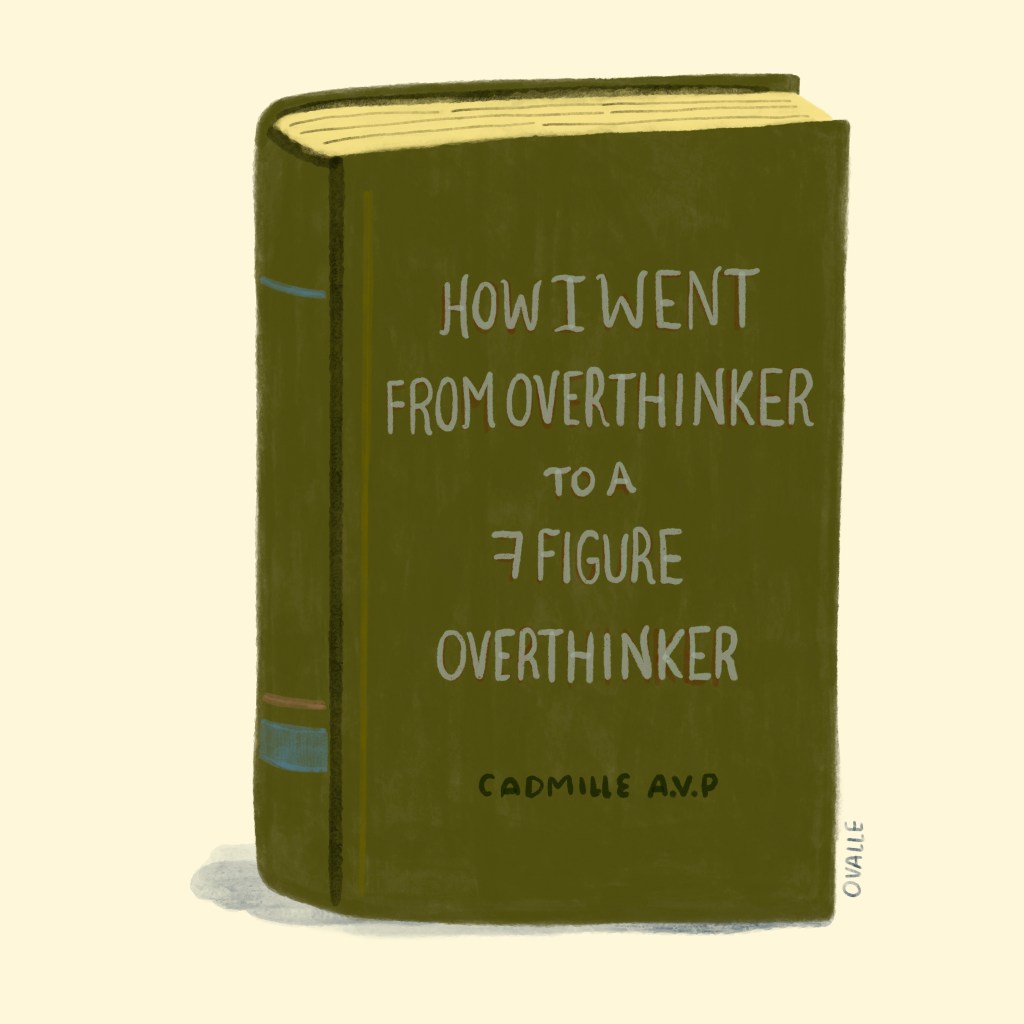
These first forms of books didn´t have a common size, The Epic of Gilgamesh (2000 B.C) had a dimension of 15,4 cm in width by 13,33 cm in height. In Asia, scrolls were more popular, The Diamond Sutra (886) was made as a scroll of 5 meters long. These were the first “formats” people used, without being very intentional about it.
But writing on those tablets and scrolls by hand was a very laborious job, imaging making copies of them! Not very late, techniques were developed and book-making began.
The printing method with a movable type was invented in Asia. It consisted of wood blocks with carved letters that worked as stempels and spared the hand-writing process.
The Jikji (1377) is the first book made with this method, or at least that´s what they say. The German Johaness Gutenberg improved and brought the printing method to the West, by using other materials and machinery. His printed books were mostly religious, like The Bible of Gutenberg (1450). Suddenly, it was possible to quickly create more copies to distribute, lowering the production prices. And because low it´s never enough, soon, standardization began (not only for books but for every manufactured product).
Let´s go a bit further ahead in time, around the 1920s.
You might have seen the words ISO (International Organization for Standardization), CEN (Comité Européen de Normalisationor), or DIN (Deutsches Institut für Normung) just to name a few. Those organizations created standards for the manufacture of products in fields like machinery, technology, agriculture, and health care. When production time came, each country would either apply the same standards or modify them to suit local conditions.
Have you wondered why the paper sizes are called DIN A4, A5, A2, etc.? The DIN 476 Norm (ISO 216) is a German norm for paper sizes, created by the Deutsches Institut für Normung. It´s divided into A (common paper sizes), B (special paper sizes), and C (envelopes).
The series A begins with DIN A0 and its base measurement, with 84,1 cm by 1,189 mt. Cut that in half and you have DIN A1 with 59,4 × 84,1 cm, cut that in half and you get DIN A2, 42 × 59,4 cm, cut that in half and you´ll get, DIN A3, DIN A4, A5, and so on, until DIN A10. That assures that the biggest, size A0, would be used to the max, without almost any waste. I love Germans and their pragmatism.
After going down the rabbit hole of formats and sizes on the library and the internet, my outcome is that despite all those American and European norms, every country has its own sizes and formats.
But fear not. There are actually some reasons for sizes and formats; Children’s books tend to be big as they mostly contain illustrations and the text size is larger, children have also clumsy fingers and a tiny book would be harder to manipulate. Textbooks are larger in height, allowing more text and diagrams on them. Fiction and non-fiction are the most common in the markets, having many different formats that depend also on the type of covers (hardcover or paperback). Mangas are smaller than comic books, for production costs. Photography and cooking books tend to be huge, so you won´t miss all those amazing image details and can exhibit them with pride on your coffee table.
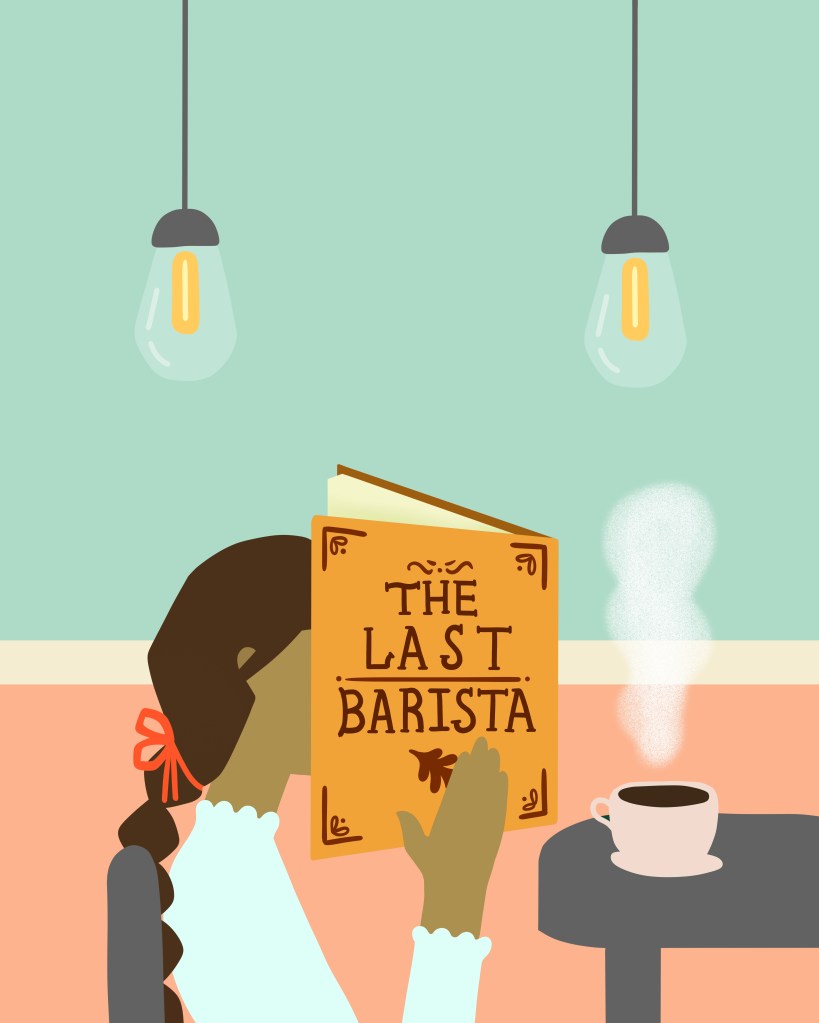
And that´s the beauty of books, you can decide whatever size you want, whatever your story —or pocket— needs. Like the book Birds of America by John James Audubon, which has a size of 1.21 mt x 91 cm, just because he wanted to create real-sized painted portraits of birds. Or the tiniest book in the world Teeny Ted from Turnip Town, which can only be read with an electron microscope because it has measurements of 70 micrometers by 100 micrometers.
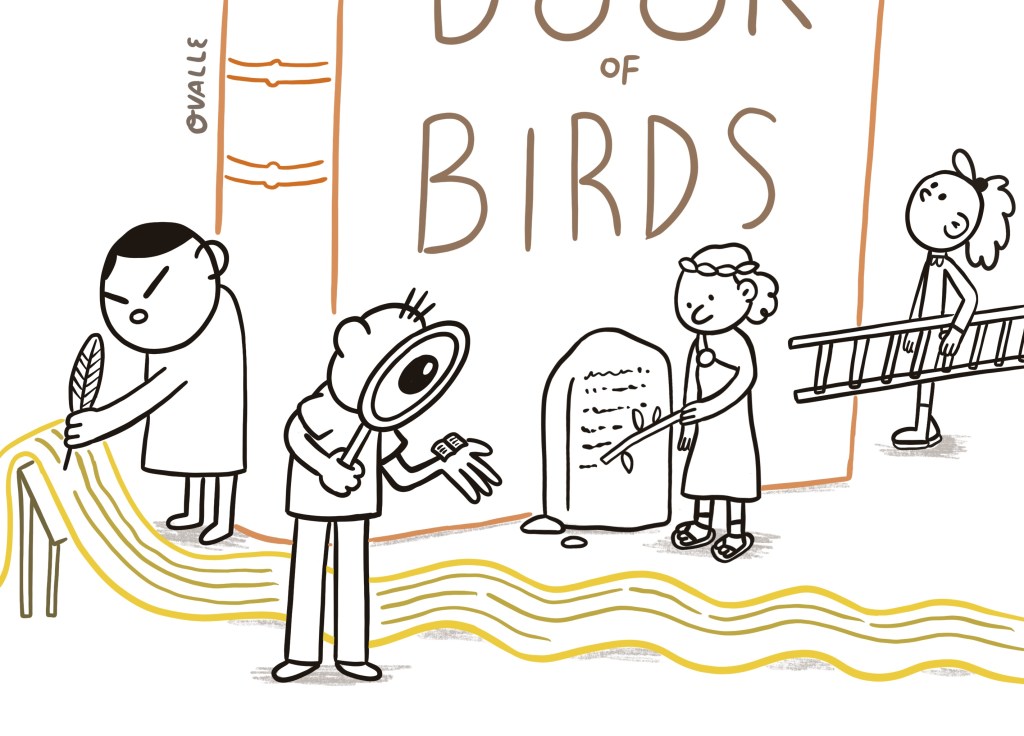
It is also important to consider the sizes available for your printing service if you are self-publishing or what your editorial thinks is best.
I´m gonna go for a nice and humble A5. Clay tables, stones, and scrolls might come later.
If you are interested in making your own book or know a friend, here is a list of the most common sizes and their corresponding covers:
Fiction
1079,5 x 1744,98 cm (4.25” x 6.87”) Pocket paperback cover
12,7 x 20,32 cm (5” x 8”) Paperback cover
15,24 x 22,86 cm (6” x 9”) Hardcover
Non-Fiction
1333,5 x 20,32 cm (5.25″ x 8″) Paperback cover
13,97 x 21,59 (5.5″ x 8.5″) Paperback cover
15,24 x 22,86 cm (6″ x 9″) Paperback cover
15,24 x 22,86 cm (6” x 9) Hardcover
17,78 x 25,4 (7” x 10”) Hardcover
Children Books
19,05 x 19,05 (7.5″ x 7.5″) Hardcover
17,78 x 25,4 (7″ x 10″) Hardcover
25,4 x 20,32 (10″ x 8″) Hardcover
Textbooks
15,24 x 22,86 cm (6″ x 9″) Paperback cover
17,78 x 25,4 (7″ x 10″) Paperback cover
21,59 x 27,94 (8.5″ x 11″) Paperback cover
Graphic Novels
16,8275 x 2603,5 (6.625″ x 10.25″) Hardcover and paperback cover
Manga
12,7 x 19,05 (5” x 7.5”) Paperback cover
I hope you enjoyed this trip in the past and you gained some clarity in formats.
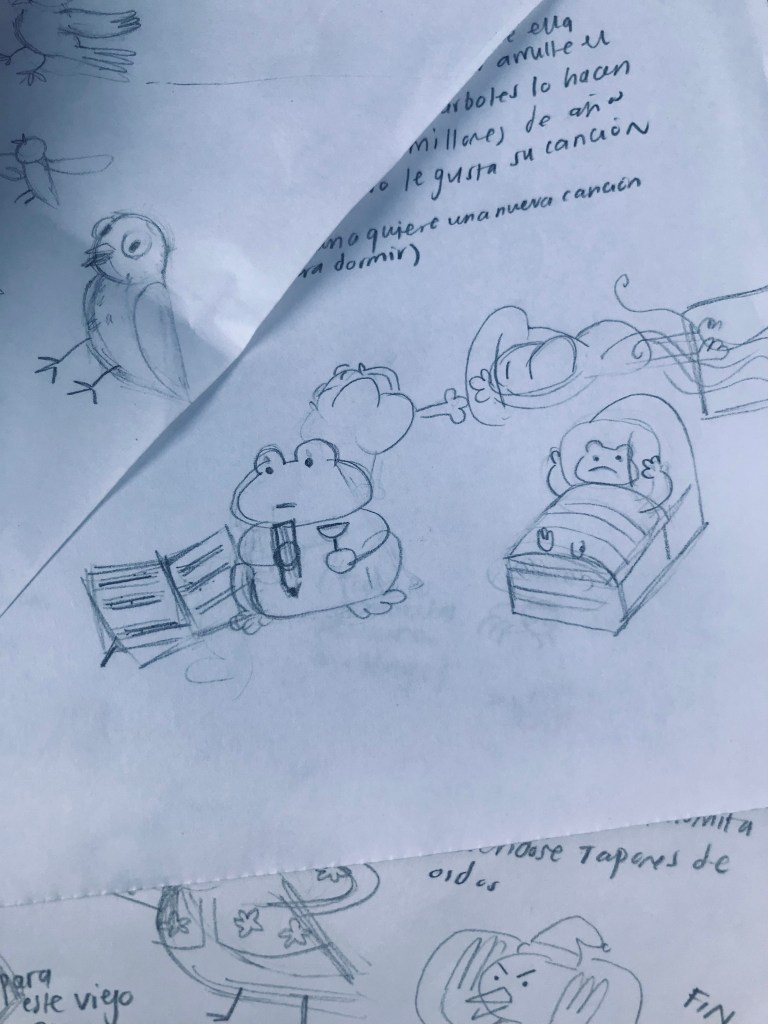
Besides researching formats, I´ve been sketching a lot on the book! Next entry I´ll show you some of those sketches and designs. Here is a tiny sneak peek of one of the characters, Mr. Freg, by drinking wine and modifying a music piece.
My Week on Senses
👂 Since the story I am writing atm happens in the forest, I´ve been listening to Takashi Kokubo, Oasis of the Wind 2, a Story of Forest and Water.
👀 Reading a small book from Herman Hesse about colors “Die Magie der Farben”.
👅 Testing Colombian Mazamorra for the first time! Mazamorra is a sweet-salt corn-based dish, that has a bit of milk and brown sugar. Here is a very accurate recipe if you wanna try it.
👐 Touching the grass with my feet every time I water the garden (can´t bother to put on gummy boots).
👃 Smelling my mom´s omelets.

Again, thank you so so much for reading and your support.
Coming Up Next
- Forbidden books!
- Some more sketches of the story development of Mija and Toque
🌟Recommend and subscribe to the newsletter! 🌟 I write weekly about art, creativity, and processes.
 Tina Ovalle
Leave a comment